Determining the right size of an aircraft cable is a critical process that requires careful consideration of various factors. As an aircraft cable supplier, I understand the importance of providing the appropriate cable size to meet the specific needs of different applications. In this blog post, I will outline the key steps and considerations involved in determining the right size of an aircraft cable.


Understanding the Basics of Aircraft Cables
Before delving into the process of determining cable size, it's essential to have a basic understanding of aircraft cables. Aircraft cables are typically made from high - strength steel, with different constructions and diameters available. The most common constructions include 1x7, 1x19, 6x12 + 7FC, 6x7 + FC, and 6x37+IWR/6x37 + IWS.
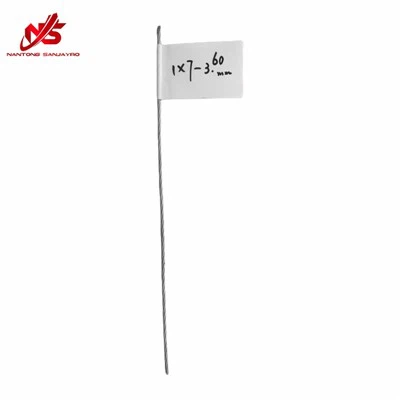
- 1x7 Galvanized Steel Wire Rope: This type of cable consists of a single strand with seven wires. It is relatively flexible and is often used in applications where a small - diameter, lightweight cable is required. You can find more details about 1x7 Galvanized Steel Wire Rope.
- 1x19 Galvanized Steel Wire Rope: Comprising a single strand of nineteen wires, it offers more flexibility and a higher strength - to - weight ratio compared to 1x7 cables. Check out 1x19 Galvanized Steel Wire Rope for more information.
- 6x12 + 7FC Galvanized Steel Wire Rope: This construction has six strands of twelve wires each, with a fiber core (7FC). It provides good flexibility and is suitable for a variety of general - purpose applications. Learn about 6x12 + 7FC Galvanized Steel Wire Rope.
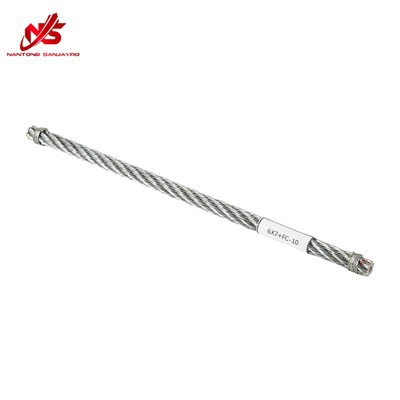
- 6x7 + FC Galvanized Steel Wire Rope: With six strands of seven wires and a fiber core (FC), it offers a balance between strength and flexibility. More details can be found on 6x7 + FC Galvanized Steel Wire Rope.
- 6x37+IWR/6x37 + IWS Galvanized Steel Wire Rope: This construction features six strands of thirty - seven wires, with either an independent wire rope core (IWR) or an independent wire strand core (IWS). It is known for its high strength and flexibility, making it suitable for heavy - duty applications. Explore 6x37+IWR 6x37 + IWS Galvanized Steel Wire Rope.
Factors to Consider When Determining Cable Size
1. Load Requirements
The first and most crucial factor is the load that the cable will need to support. This includes the static load (the weight of the object being lifted or held) and the dynamic load (any additional forces such as shock loads or vibrations). You need to calculate the maximum anticipated load accurately. For example, if you are using the aircraft cable to lift a heavy machinery part, you need to know the exact weight of the part and any auxiliary equipment that may be attached to it.
To determine the appropriate cable size based on load requirements, refer to the cable's breaking strength. The breaking strength is the amount of force required to break the cable. In general, it is recommended to select a cable with a breaking strength that is at least four to six times the maximum anticipated load. This safety factor ensures that the cable can withstand unexpected forces without failing.
2. Operating Environment
The operating environment also plays a significant role in determining the right cable size. Different environments can have various effects on the cable's performance and lifespan.
- Temperature: Extreme temperatures can affect the strength and flexibility of the cable. In high - temperature environments, the cable may lose some of its strength, while in low - temperature environments, it may become more brittle. If the cable will be used in a very hot or cold environment, you may need to select a cable with special heat - resistant or cold - resistant properties, and potentially a larger size to compensate for any loss of strength.
- Corrosion: If the cable is exposed to a corrosive environment, such as near saltwater or in industrial settings with chemicals, it is important to choose a cable with appropriate corrosion protection. Galvanized steel cables are commonly used in such environments, but you may also need to consider larger cable sizes to account for potential corrosion - related strength loss over time.
- Abrasion: In applications where the cable rubs against other surfaces, abrasion can be a major concern. A cable with a larger diameter may be more resistant to abrasion, or you may need to choose a cable with a protective coating.
3. Bend Radius
The bend radius refers to the minimum radius around which the cable can be bent without causing damage. A smaller bend radius requires a more flexible cable. If the application involves sharp bends, you may need a cable with a smaller construction, such as 1x7 or 1x19. However, you also need to ensure that the cable can still handle the required load. In some cases, you may need to increase the cable size to maintain the necessary strength while also achieving the required flexibility for the bend radius.
4. Length of the Cable
The length of the cable can also impact its performance. Longer cables are more susceptible to sagging under load, and they may experience greater stretch. If you need a long cable, you may need to choose a larger diameter cable to minimize sagging and stretch. Additionally, the weight of the cable itself becomes a factor when considering the overall load - bearing capacity.
Calculating the Right Cable Size
Once you have considered all the relevant factors, you can use engineering calculations or refer to cable sizing charts provided by manufacturers. These charts typically take into account the cable's construction, diameter, and breaking strength.
For example, if you know the maximum load and the safety factor you want to use, you can look up the required breaking strength in the chart. Then, based on the operating environment, bend radius, and cable length, you can select the appropriate cable construction and diameter.
It is also important to note that in some industries, there are specific standards and regulations regarding cable sizing. Make sure to comply with these standards to ensure the safety and reliability of your application.
Importance of Professional Advice
Determining the right size of an aircraft cable can be a complex process, especially for applications with unique requirements. As an aircraft cable supplier, I offer professional advice to my customers. Our team of experts can help you analyze your specific needs, consider all the relevant factors, and select the most appropriate cable size and type.
We understand that choosing the wrong cable size can lead to safety hazards, equipment failure, and increased costs. That's why we are committed to providing accurate and reliable information to our customers. Whether you are working on a small - scale project or a large - scale industrial application, we can assist you in making the right decision.
Contact Us for Your Aircraft Cable Needs
If you are in need of aircraft cables and are unsure about the right size for your application, don't hesitate to contact us. We have a wide range of aircraft cables in different sizes and constructions, and we can provide you with the best solutions based on your specific requirements. Our goal is to ensure that you receive high - quality cables that meet your needs and exceed your expectations.
Explore our product catalog and reach out to us for a detailed consultation. We look forward to working with you on your next project.
References
- "Handbook of Steel Wire Rope" by Wire Rope Technical Board.
- Industry standards and regulations related to aircraft cable usage.